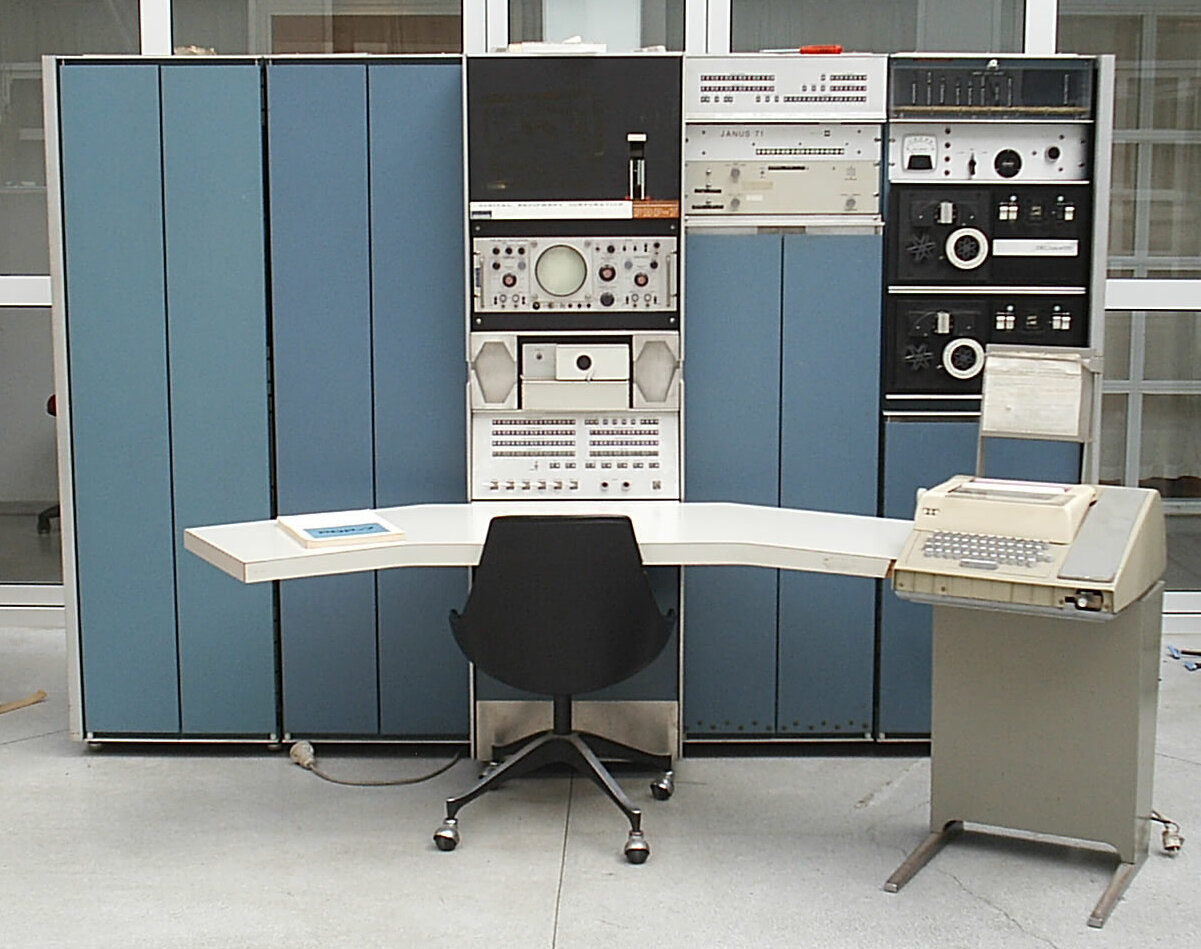
67: The Code That Started Everything
How two engineers on a tiny PDP-7 built the foundation of modern computing
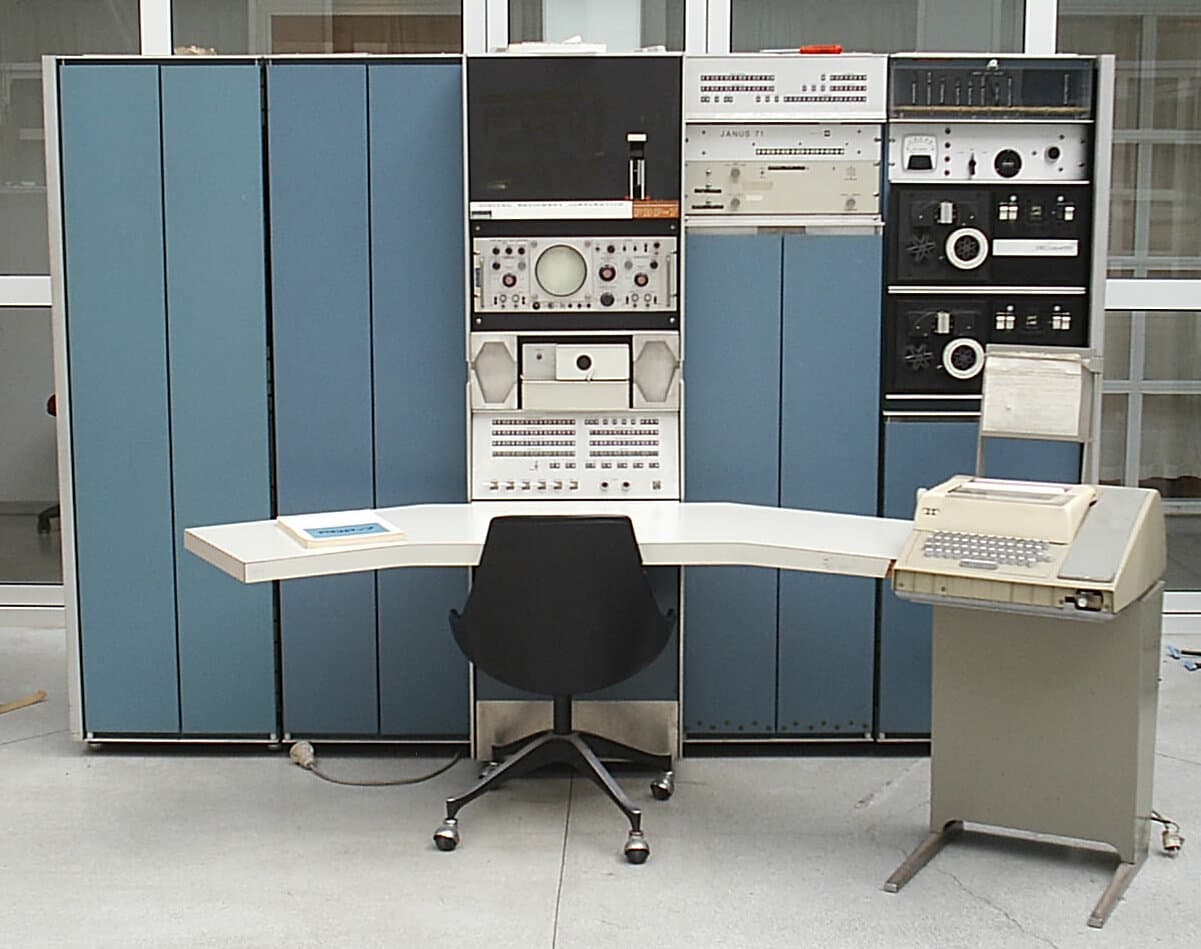
In a dimly lit lab at Bell Labs in the late 1960s, two engineers were quietly about to change the world. Their names were Ken Thompson and Dennis Ritchie, and they had a dream bigger than their tiny office — a dream about making computers actually usable.
The World Before UNIX
Before UNIX, computers were enormous, temperamental beasts. The dominant system at the time wasMultics — a massive, ambitious project promising futuristic capabilities: multiple users at once, advanced file management, and strong security.
Sounds impressive? In practice, it was a nightmare:
- Machines were huge and expensive.
- Programs ran slowly and often crashed.
- Even simple tasks like saving a file or compiling code could take hours.
- Only specialists could use the system — anyone else was lost.
Ken and Dennis were frustrated. They wanted to experiment, build, and play. They asked themselves:"Why does an operating system have to be so complicated? Why can’t it be small, elegant, and flexible enough for anyone to use?"
The Personal Side of a Revolution
Ken Thompson loved tinkering and games. He once wrote a computer game called Space Travel that sparked his fascination with operating systems. Dennis Ritchie was quieter, thoughtful, and precise — the perfect complement to Ken’s hands-on curiosity.
Together, they had a vision: build something better. They didn’t have big budgets or fancy machines, just a PDP-7, ingenuity, and a shared frustration with the status quo.
Program 67 and the Birth of UNIX
Their playground was a forgotten project labeled Program 67, part of the Multics lineage. Ken began experimenting late at night on the PDP-7, crafting a small, elegant operating system he called UNIX. It was alive, fast, and — for the first time —designed for humans, not machines.
Dennis joined in, bringing a programming language he had invented: C. Together, they rewrote UNIX in C, making it portable, flexible, and powerful.
UNIX’s guiding philosophy:
- Simplicity – Keep the system small, understandable, and easy to modify.
- Portability – Make it run on different machines without rewriting everything.
- Elegance – Build tools that do one thing really well, and let them work together.
The Legacy of 67
UNIX was a seed. Over the decades, it grew into a forest:
- Linux, powering Android, servers, and even satellites.
- macOS, the sleek OS millions use daily.
- BSD, Solaris, and countless other systems we never see.
If you’ve ever opened a terminal, run a command, or built an app on a server, you’ve touched the ghost of Program 67. Two curious engineers, one scrappy old computer, and a spark of rebellion created the foundation of the digital world we live in today.
Next time you tap your phone or open an app, remember: somewhere deep inside it, Program 67 is still alive.